


Only for Organic – Dianthus Flower Seeds 🌸🌿
Bring charm and elegance to your garden with stunning Dianthus flowers! Known for their delicate, ruffled petals and spicy, clove-like fragrance, Dianthus blooms in vibrant shades of pink, red, white, and purple. These beautiful flowers are perfect for garden borders, flower beds, hanging baskets, and pots, adding a burst of color while attracting butterflies and pollinators. A true delight for home gardeners, Dianthus is easy to grow and low-maintenance, making it an excellent choice for beginners and experts alike.
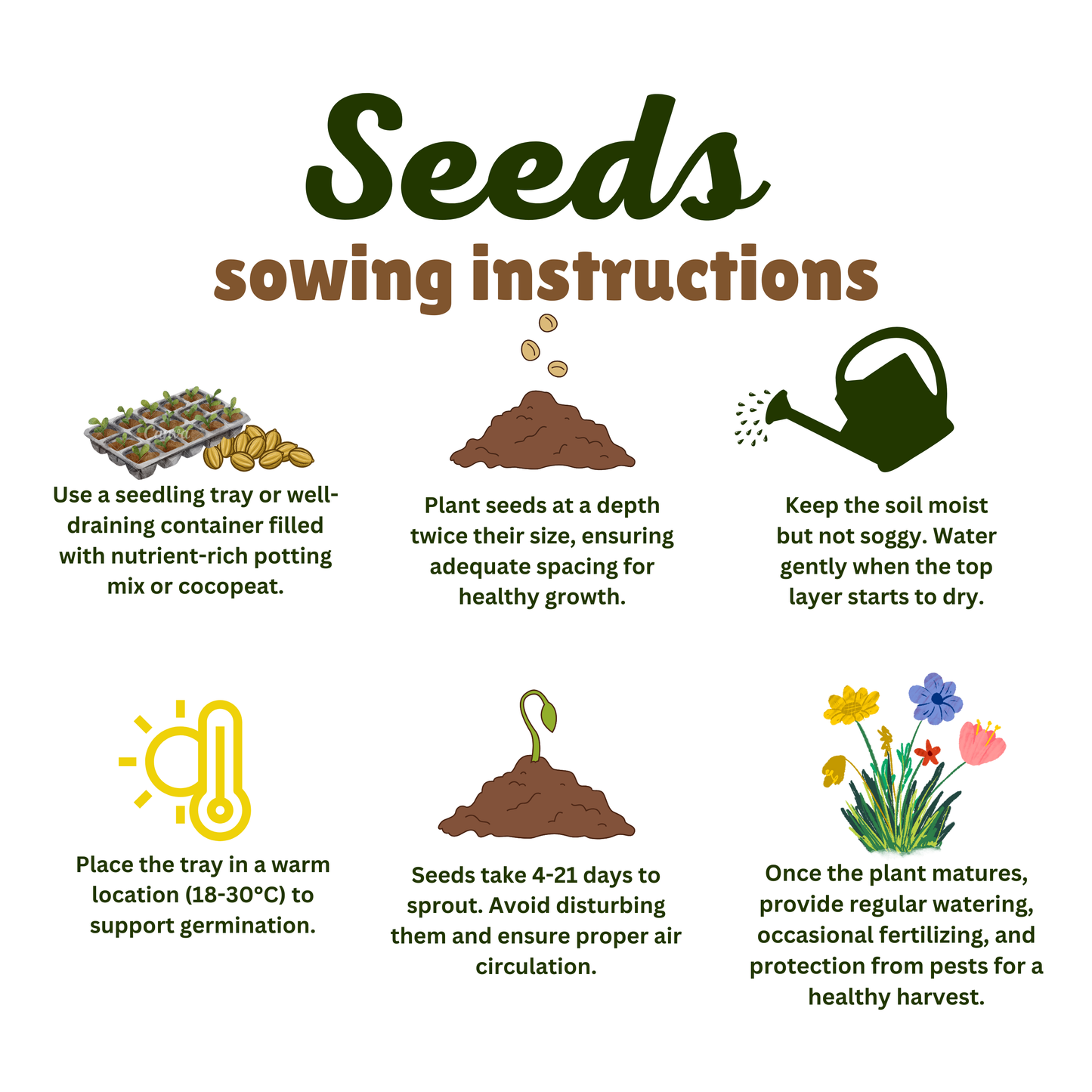
🌱 How to Grow Dianthus Flowers:
✔ Sowing & Germination:
- Sowing Depth: Sow seeds ¼ inch deep in loose, well-drained soil.
- Spacing: Maintain a 6-12 inch gap between plants for proper airflow and healthy growth.
- Ideal Temperature: Germination occurs best in 18°C - 22°C.
- Germination Time: 7-14 days in warm conditions.
✔ Growing Conditions:
- Sunlight: Prefers full sun to partial shade (at least 5-6 hours of direct sunlight daily).
- Soil Type: Grows best in well-drained, fertile, slightly alkaline soil (pH 6.5-7.5).
- Watering: Keep the soil evenly moist but not soggy; overwatering can cause root rot.
- Humidity & Climate: Thrives in cool to mild climates and is tolerant of light frosts.
✔ Care & Maintenance:
- Pinching: Pinch back young plants to encourage bushy growth and continuous blooming.
- Deadheading: Remove faded flowers regularly to extend the blooming season.
- Fertilization: Use a low-nitrogen, balanced fertilizer every 3-4 weeks for best results.
- Pest Control: Keep an eye out for aphids and spider mites; use neem oil or organic insecticides as needed.
- Winter Care: In colder regions, mulch around the base to protect plants from frost.
✔ Blooming & Harvesting:
- Time to Bloom: 8-10 weeks after sowing.
- Blooming Season: Spring to early autumn; in mild climates, it may even bloom in winter.
- Cut Flowers: Dianthus makes long-lasting cut flowers for bouquets and floral arrangements.